
Antiques: Boom or Bust?
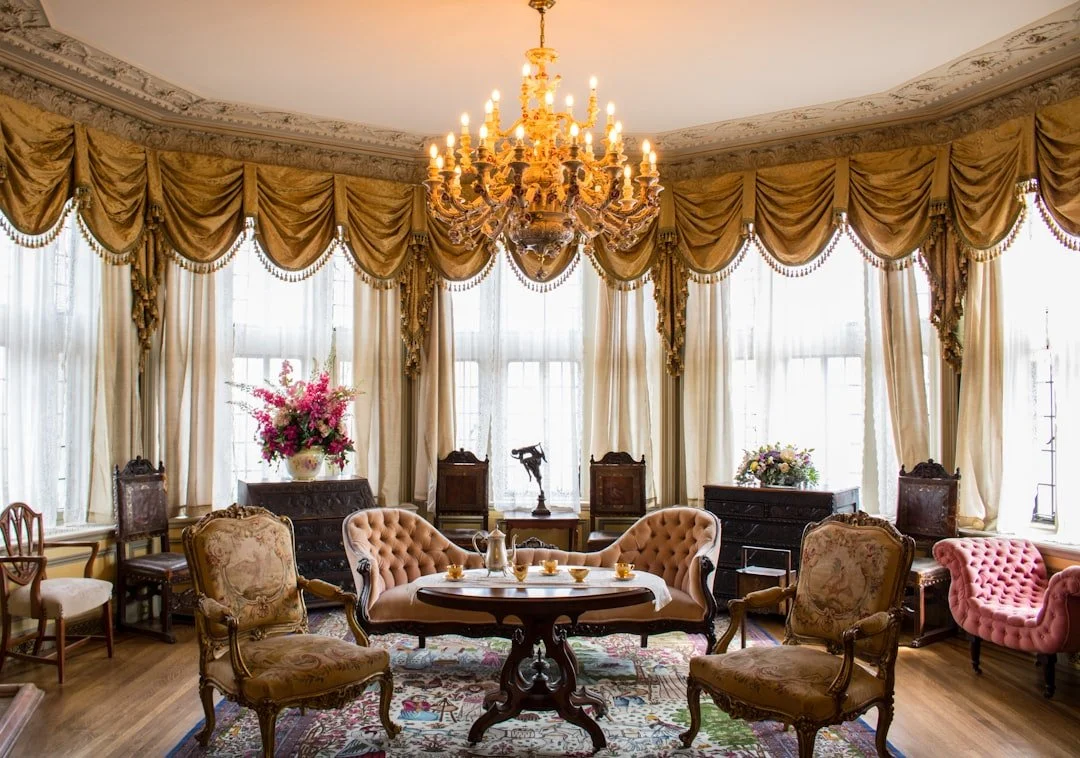
The antiques market has always moved in cycles. Right now, many categories are undeniably soft. As a collectibles advisor, I’m often asked: Why aren’t antiques selling the way they used to? The answer isn’t simple. Several clear forces are shaping today’s slower market.
Generational Taste Shifts
Millennials and Gen Z buyers are not collecting the same categories their parents and grandparents prized. Younger homeowners favor cleaner lines, smaller footprints, and more flexible living spaces; most just aren’t into traditional brown furniture, formal dining sets, and ornate decorative pieces. Mid-century modern remains stronger than other styles, but even that market has matured.Put simply: demand follows taste—and taste evolves.
Oversupply
The Downsizing Effect A huge volume of antiques is entering the market simultaneously as older generations downsize, driving down prices. Large collections formed in the 1970s–1990s are being liquidated simultaneously. When supply increases faster than demand, prices soften. Basic economics – lower demand combined with oversupply – are driving much of today’s price pressure.Mispricing & Lack of Knowledge
Sellers often rely on outdated price guides or emotional attachment, failing to realize that age does not automatically equate to high value. Beautiful antiques that clients bought decades ago haven’t appreciated in value; in fact, you’re likely to sell them for only a fraction of the original cost. And finding a buyer may be more challenging than you expect.These are wise words from a client who had several large, beautiful early American pieces: “I know they’re not worth what I paid for them, but I’ve enjoyed them for many years. Now it’s not so much about how much I can get for them, but about putting them in the hands of someone who will appreciate them.”
Digital Transparency
Online platforms have transformed pricing, leading to well-informed buyers. Auction results are widely accessible, and buyers can compare similar items instantly. This transparency eliminates much of the mystique that once supported retail markups. In addition, online marketplaces have normalized “wholesale-level” pricing expectations.Selectivity at the Top
Importantly, the top of the market still has potential. Rare, fresh-to-market, best-in-category examples still perform on the right platforms. Museum-quality pieces with strong provenance continue to attract sophisticated buyers. The softness is most pronounced in middle-market, decorative material without rarity or documentation.
What This Means for Those Who Are Downsizing
If you are downsizing, today’s market requires realism and strategy. Many traditional pieces will not achieve the prices they commanded twenty years ago, and some may have more sentimental than monetary value. Early planning is essential—engage an advisor before a move is imminent, identify which pieces are truly marketable, and separate heirlooms from items best suited for auction, consignment, donation, or family distribution.
Downsizing in a soft market is less about maximizing every dollar and more about making informed decisions. With thoughtful positioning, strong presentation, and appropriate venue selection, meaningful value can still be realized. The key is approaching the process with clarity, not nostalgia—and understanding that liquidity, timing, and flexibility are now just as important as rarity.