
Hidden Cash in Your Coin Stash
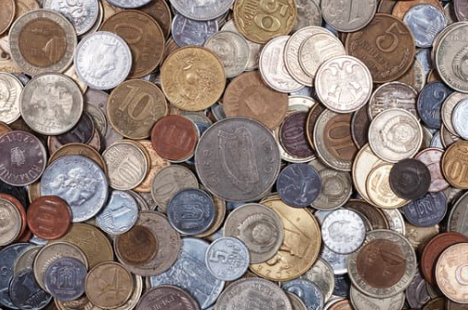
Though few people actively collect coins these days, I have been amazed at how many clients have boxes of coins stashed away in the back of a closet or a basement, usually from dad or granddad. Most haven't been touched for years, even decades.
Coins are one of the top three most lucrative materials coming out of houses these days (the others being silver and jewelry). I see so many materials in my collectibles advising practice; it is impossible to be an expert in all areas. For coins, I rely on the expertise of a national partner who is one of the top dealers in the industry.
A coin's value is determined by its rarity, demand among collectors, and physical condition. Even highly circulated coins can hold significant value if they are made of precious metals. Modern or old coins accidentally struck with defects can fetch hundreds or thousands of dollars. But finding those is like finding a needle in a haystack.
If you have a box of coins, here are some tips to consider as you’re sorting and trying to figure out what kind of value you might have.
Pre-1965 Silver: Dimes, quarters, and half-dollars minted in or before 1964 are generally worth 19x their face value.
Half dollars 1965-70 are 40% silver and worth $3.50 each.
Nickels from 1960 and before are worth 7 cents per. Nickels from 1942-45 with big mint marks are silver and worth $1.25 each.
Wheat pennies (1909–1958): While most common dates are only worth a few cents, specific dates and mint marks are worth hundreds. Generally, pennies from the 1930s through 1950s are worth 3 cents per. Pennies from 1959-1981 can be sold for a little more than face value because of the copper.
Morgan and Peace Silver Dollars (1878–1935): These large, heavy silver dollars usually start at roughly $20-$30 and go up drastically based on the mint mark and condition.
Silver and gold American Eagle coins are highly valuable; their base values rise and fall with the daily precious metals markets.
Bicentennial coins and recent dollar coins, such as the Native American and Presidential series, are made of base metal and worth face value. Value only increases if they are uncirculated rolls.
Coins from 1982 and later are worth face value, although the value increases if they are in mint rolls.
Foreign coins: Many foreign coins, especially those no longer in circulation, have little value. Some foreign coins are valuable because they are made of gold and silver. (I like to donate low/no value foreign coins to teachers, who use them with their students to study different countries.)
Have a bunch of loose change and hoping to find a penny worth thousands? Good luck! If you have the time, patience, and inclination to sort through those coins, go for it. Generally speaking, loose change from recent decades is unlikely to be worth more than face value; you’re pretty safe taking it to the bank or your local CoinStar machine.
Looking for an app to help you sort coins? CoinSnap is an AI-powered mobile app designed to identify, grade, and value coins by analyzing photos of the front and back. It is primarily a digital companion for beginners and casual collectors.
If you think you have coins with value, use caution when selecting an outlet for sale. As you can imagine, there are bad actors in the industry that take advantage of sellers. Feel free to contact Spirit & Space for guidance or assistance with your sale.